
When we think about modern bathrooms, we tend to picture bright tiles, powerful showers, and all the comforts we’ve come to expect. But it wasn’t always this way. A lot of people are surprised when they start learning about What were bathrooms like in the 1900’s? because the experience of bathing and washing at the turn of the 20th century was very different from what we know today.
At the start of the 1900s, having a bathroom inside your home was still a luxury rather than the norm. Many households, especially working-class families, didn’t have a dedicated bathroom at all. Instead, washing was done in the kitchen using a tin bath, and toilets were often located outside in a separate building. The idea of a private, fully fitted bathroom was something mostly reserved for wealthier homes.
Early indoor bathrooms and basic facilities
For homes that did have indoor bathrooms, the facilities were simple by today’s standards. A typical bathroom might include a freestanding bathtub, a basic wash basin, and sometimes a toilet. Hot water wasn’t always available on demand. Instead, water was often heated on a stove and carried to the bath by hand. This made bathing a much more time-consuming and occasional activity, rather than a daily routine.
Plumbing systems were still developing, and in many areas, water pressure was low and unreliable. Drainage and sanitation had improved compared to Victorian times, but standards varied widely depending on where you lived. In towns and cities, modern plumbing was becoming more common, while rural areas often lagged behind.
Materials, style, and design
The design of early 1900s bathrooms reflected both practicality and the fashions of the time. Bathtubs were often made from cast iron with a porcelain enamel finish. These heavy tubs were built to last and are still sought after today for their classic look. Wash basins and toilets were usually ceramic, often with high-level cisterns and exposed pipework.
Tiles, where used, were plain and functional. White was a popular choice because it was associated with cleanliness and hygiene, which were becoming more important as public health awareness grew. Decorative touches were minimal in most homes, although wealthier households might include patterned tiles, ornate taps, or decorative mirrors.
Lighting was another area where early bathrooms differed greatly from modern ones. Electric lighting was still being introduced in many homes, so some bathrooms relied on gas lamps or even natural light from small windows. This meant bathrooms were often dimmer and less inviting than the bright, well-lit spaces we expect today.
Hygiene habits and social attitudes
Understanding What were bathrooms like in the 1900’s? also means looking at how people thought about hygiene. Daily bathing was not the norm for most people. Many families bathed once a week, often on the same day, with water reused for multiple family members. While this might sound unappealing today, it was simply a practical response to the effort involved in heating and carrying water.
Toilets and sanitation were improving, but they were not yet standardised. Some homes still relied on older waste systems, and outdoor toilets were common well into the early 20th century. Public bathhouses also played an important role in many communities, offering people without indoor facilities a place to wash properly.
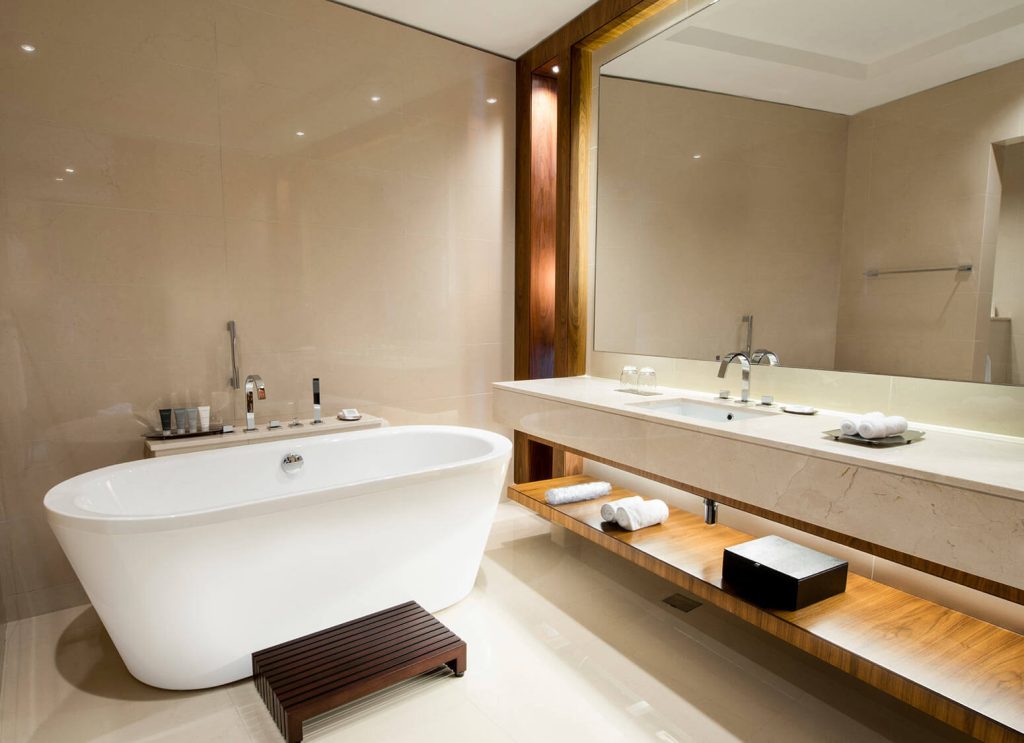 How bathrooms changed through the 1900s
As the century progressed, bathrooms began to change rapidly. Advances in plumbing, mass production of sanitaryware, and improvements in home design meant that more households could afford proper indoor bathrooms. By the mid-20th century, fitted bathrooms with running hot and cold water were becoming more common, and daily bathing started to become part of everyday life.
The style of bathrooms also evolved. Coloured suites, decorative tiles, and built-in baths became popular in later decades, reflecting changing tastes and greater emphasis on comfort and design. What began as a purely functional space slowly became a room people wanted to feel comfortable and relaxed in.
Looking back, What were bathrooms like in the 1900’s? gives us a real sense of how far home comforts have come. What was once a basic, sometimes inconvenient necessity has turned into one of the most personal and carefully designed rooms in the house.
A link to modern bathroom design
Many features of early 1900s bathrooms have inspired modern design trends. Freestanding baths, traditional-style taps, and simple colour schemes are popular once again, blending old-world charm with modern convenience. Today’s bathrooms combine the character of the past with the technology and comfort we expect.
For homeowners updating their spaces today, including those looking into bathrooms in scunthorpe, understanding the history of bathroom design can offer inspiration and appreciation for how much the room has evolved over time.
Contact Us
If you’re planning a bathroom upgrade and want advice on creating a space that blends style with modern comfort, get in touch with our team today. We’d be happy to help you explore your options and bring your ideas to life.
Planning & Design? learn more